what to do for diabetic ketoacidosis Ketoacidosis diabetic dka breath treatment complications fruity ketosis symptome mellitus ketones urine mantracare anzeichen abdominal ursachen nausea difficulty remedies
Diabetic ketoacidosis (DKA) is a serious medical condition that can occur in individuals with diabetes. It is essential to understand the causes, symptoms, and treatment options for DKA to ensure optimal care for those affected. DKA is characterized by high blood sugar levels, ketone production, and a disturbance in the body’s acid-base balance.
Causes
DKA typically arises from a combination of factors, including a lack of insulin or insufficient insulin levels in the body. This can happen due to missed or inadequate doses of insulin, illness or infection, or certain medications. Additionally, poor diet choices, excessive alcohol consumption, and drug abuse can also contribute to the development of DKA.
Symptoms
The symptoms of DKA can be severe and require immediate medical attention. Common symptoms include excessive thirst, frequent urination, fatigue, abdominal pain, nausea, vomiting, confusion, and fruity-smelling breath. If left untreated, DKA can lead to life-threatening complications such as cerebral edema, kidney failure, or respiratory distress.
Diagnosis and Treatment
Diagnosing DKA typically involves a combination of physical examinations, blood tests, and urine analysis. Blood tests can reveal high blood sugar levels, ketone presence, and electrolyte imbalances. Treatment for DKA generally involves hospitalization, where medical professionals will administer intravenous fluids to correct dehydration and electrolyte imbalances. Insulin therapy is also crucial to normalize blood sugar levels and halt ketone production. It is essential that individuals experiencing symptoms of DKA seek immediate medical attention to prevent the condition from worsening.
Prevention
While DKA can be a serious and life-threatening condition, it can be prevented with proper diabetes management. This includes following a consistent and well-balanced meal plan, regularly monitoring blood sugar levels, taking prescribed medications as directed, and attending regular medical check-ups. It is crucial for individuals with diabetes to be proactive in managing their condition and seek medical attention promptly if they experience any signs or symptoms of DKA.
Lifestyle Considerations
Individuals with diabetes should be aware of certain lifestyle factors that can increase the risk of DKA. This includes avoiding excessive alcohol consumption, maintaining a healthy weight, and managing stress levels. Additionally, it is essential to educate family members, friends, and colleagues about the signs and symptoms of DKA, as early recognition and intervention can prevent severe complications.
In conclusion
Diabetic ketoacidosis is a serious condition that demands prompt medical attention. By understanding the causes, recognizing the symptoms, and following proper prevention strategies, individuals with diabetes can minimize the risk of developing DKA. Remember to always adhere to your healthcare provider’s guidance and maintain consistent communication to ensure optimal management of your diabetes. With proactive care and management, individuals with diabetes can lead healthy and fulfilling lives.
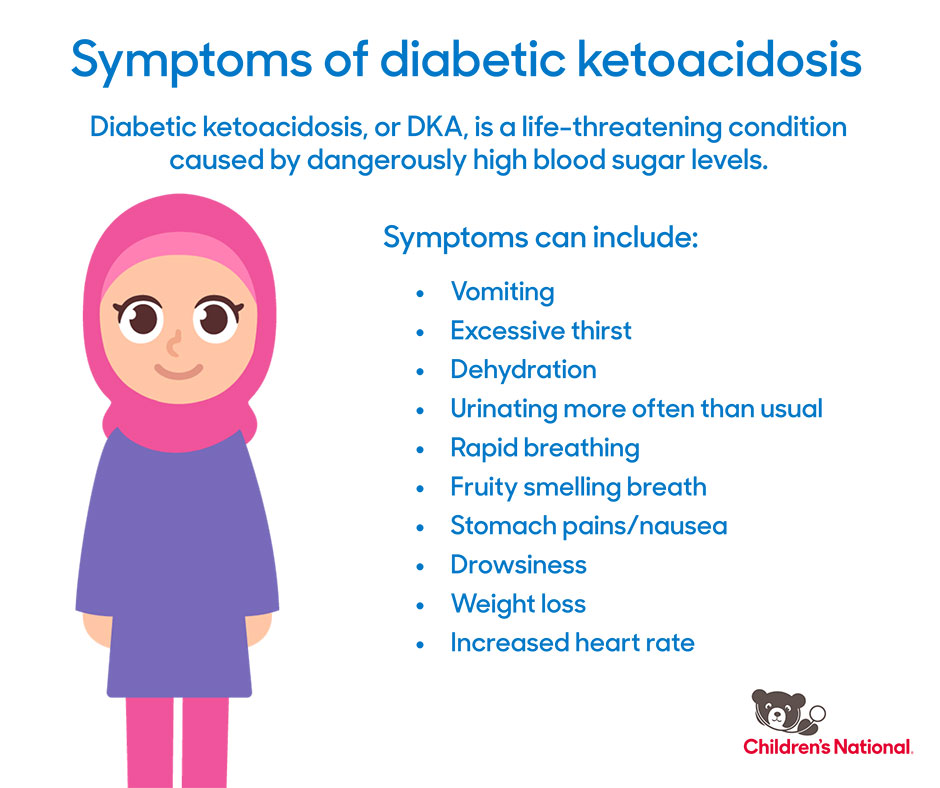 Figure 1: Diabetic ketoacidosis (DKA) image
Source: Children’s National
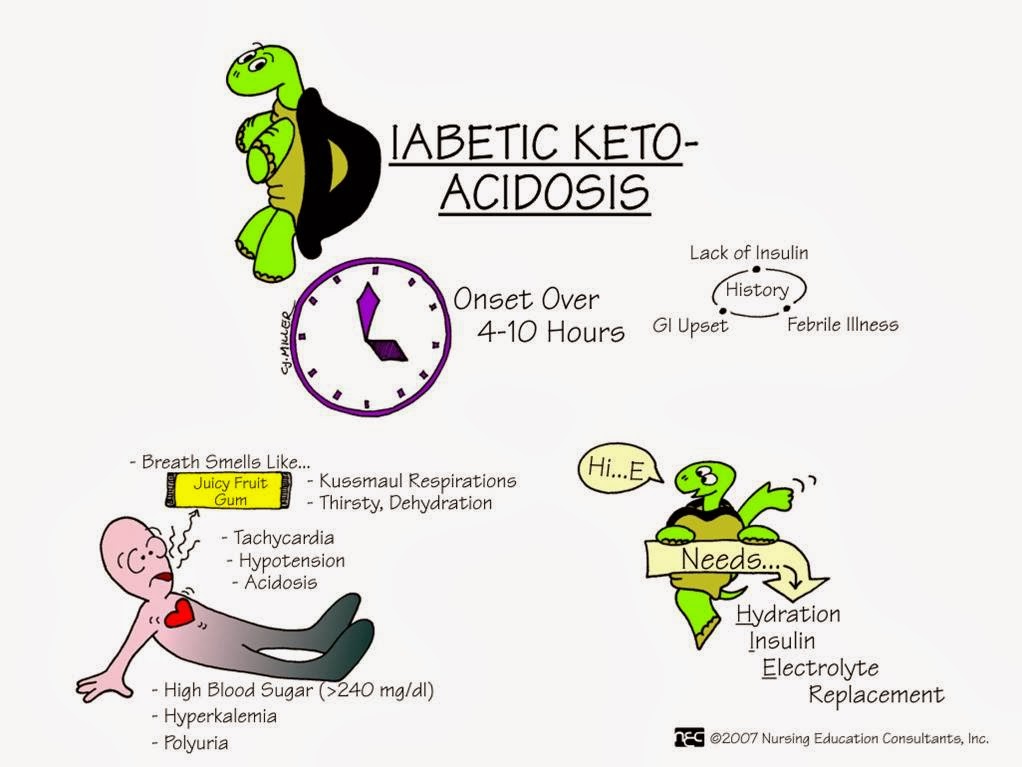 Figure 2: Absorb Medicine: Diabetic Ketoacidosis (DKA) image
Source: Absorb Medicine
If you are looking for Absorb Medicine: Diabetic Ketoacidosis (DKA) you’ve visit to the right page. We have 5 Images about Absorb Medicine: Diabetic Ketoacidosis (DKA) like Diabetic ketoacidosis — what you need to know - Children’s National, Diabetes and Fruity Breath: Causes, Risks, And Treatment and also Diabetic ketoacidosis — what you need to know - Children’s National. Read more:
Absorb Medicine: Diabetic Ketoacidosis (DKA)
absorbmedicine.blogspot.comketoacidosis diabetic dka acidosis diabetes type nursing keto insulin ketosis diabete medicine dm
Diabetes And Fruity Breath: Causes, Risks, And Treatment
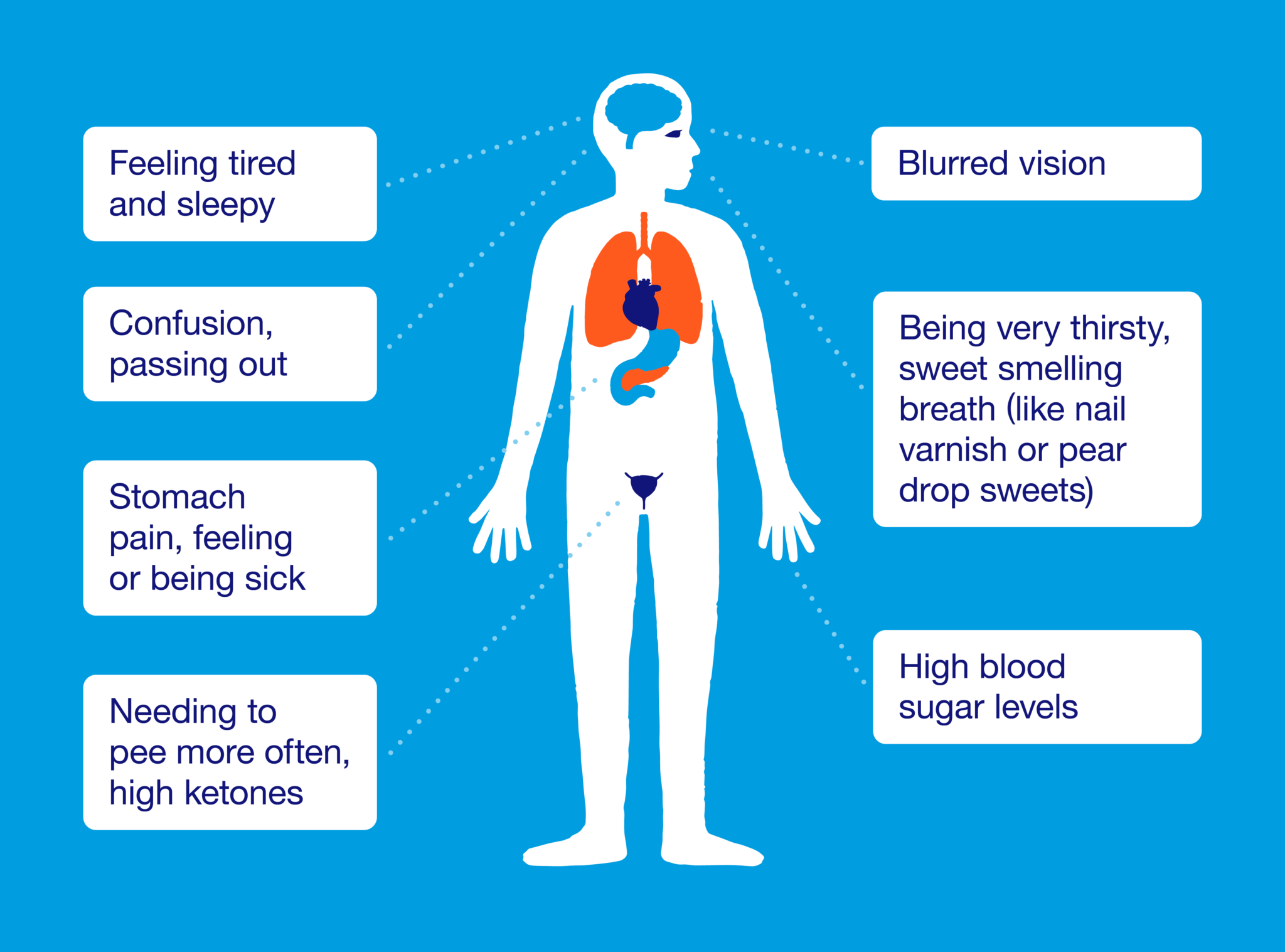 mantracare.orgketoacidosis diabetic dka breath treatment complications fruity ketosis symptome mellitus ketones urine mantracare anzeichen abdominal ursachen nausea difficulty remedies
Diabetic Ketoacidosis — What You Need To Know - Children’s National
riseandshine.childrensnational.orgketoacidosis diabetic dka diabetes child childrensnational riseandshine
Diabetic Ketoacidosis (DKA) – Why Should It Matter To Me? | Nipro
 www.nipro-group.comketoacidosis dka diabetes nipro matter knowledge studying icu
Blood Control Remedies: How Do You Cure Diabetic Ketoacidosis
 bloodcontrolremedies.blogspot.comKetoacidosis diabetic dka breath treatment complications fruity ketosis symptome mellitus ketones urine mantracare anzeichen abdominal ursachen nausea difficulty remedies. Diabetes and fruity breath: causes, risks, and treatment. Absorb medicine: diabetic ketoacidosis (dka)