what causes tinea versicolor to flare up Tinea versicolor
Tinea Versicolor: An Overview Tinea versicolor is a common fungal infection that affects the skin, causing discolored patches to appear. It is caused by an overgrowth of a type of yeast called Malassezia, which is naturally present on our skin. However, certain factors can disrupt the balance of this yeast, leading to the development of this condition. One of the main symptoms of tinea versicolor is the presence of small, scaly patches on the skin. These patches can vary in color, ranging from white to pink, tan, or brown. They may appear on different parts of the body, such as the chest, back, neck, arms, or face. The patches may be more noticeable in individuals with darker skin tones. To help you better understand tinea versicolor, let’s take a closer look at its causes, symptoms, and potential risks. Causes: Tinea versicolor is primarily caused by the overgrowth of the yeast Malassezia. Factors that can contribute to this overgrowth include hot and humid weather, excessive sweating, oily skin, a weakened immune system, hormonal changes, and certain medications. It is not contagious and cannot be transmitted from one person to another. Symptoms: The most common symptom of tinea versicolor is the appearance of discolored patches on the skin. These patches may be slightly itchy or scaly, but they generally do not cause any pain or discomfort. The affected skin may also become more sensitive to sunlight. Additionally, some people may experience a loss of skin color (hypopigmentation) or an increase in skin color (hyperpigmentation) in the affected areas. Risks: While tinea versicolor is generally harmless, it can cause emotional distress in some individuals due to the visible nature of the condition. Moreover, because the affected areas may become more sensitive to the sun’s rays, individuals with tinea versicolor are advised to take precautions to protect their skin from excessive sun exposure. This includes using sunscreen and wearing protective clothing. Treatment options for tinea versicolor include the use of antifungal medications, such as creams, lotions, or shampoos. These medications help to eliminate the overgrowth of the yeast and reduce the appearance of the discolored patches. In some cases, oral antifungal medications may be prescribed for more severe or persistent cases. It is also important to maintain good hygiene practices to prevent the recurrence of tinea versicolor. This includes keeping the body clean and dry, avoiding excessive sweating, and wearing breathable clothing. In conclusion, tinea versicolor is a common fungal infection that affects the skin, leading to the development of discolored patches. Although it may cause cosmetic concerns, it is generally harmless and can be effectively treated with antifungal medications. If you suspect you have tinea versicolor, it is recommended to consult a healthcare professional for an accurate diagnosis and appropriate treatment.
If you are looking for Tinea Versicolor - Causes, Signs, Symptoms, Treatment & Remedies you’ve came to the right web. We have 5 Pics about Tinea Versicolor - Causes, Signs, Symptoms, Treatment & Remedies like Tinea Versicolor: Causes, Symptoms, Diagnosis, & Treatment, Tinea Versicolor - Causes, Signs, Symptoms, Treatment & Remedies and also Tinea Versicolor - Causes, Signs, Symptoms, Treatment & Remedies. Here you go:
Tinea Versicolor - Causes, Signs, Symptoms, Treatment & Remedies
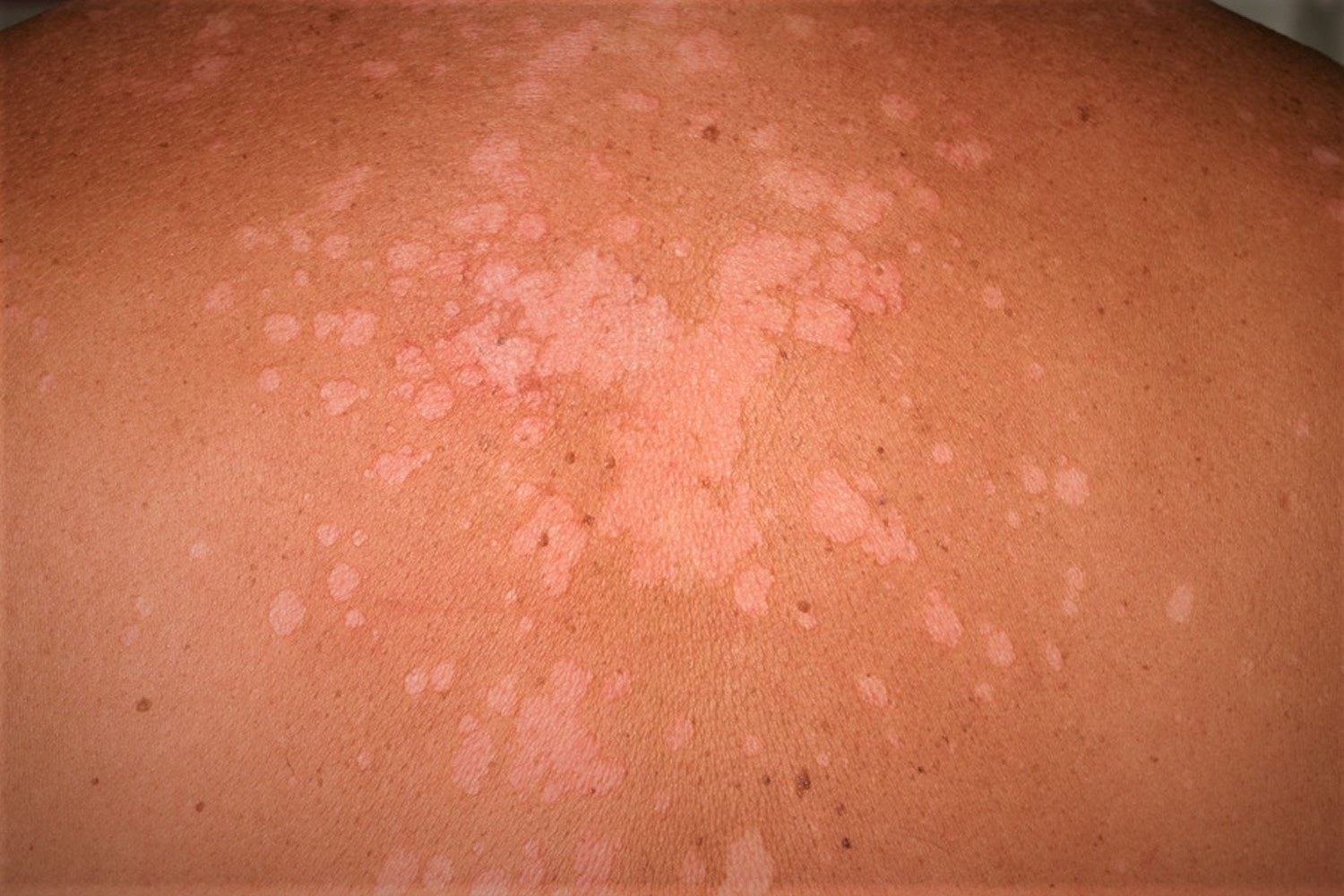 healthjade.nettinea versicolor symptoms causes contagious
Tinea Versicolor: Causes, Symptoms, Diagnosis, & Treatment
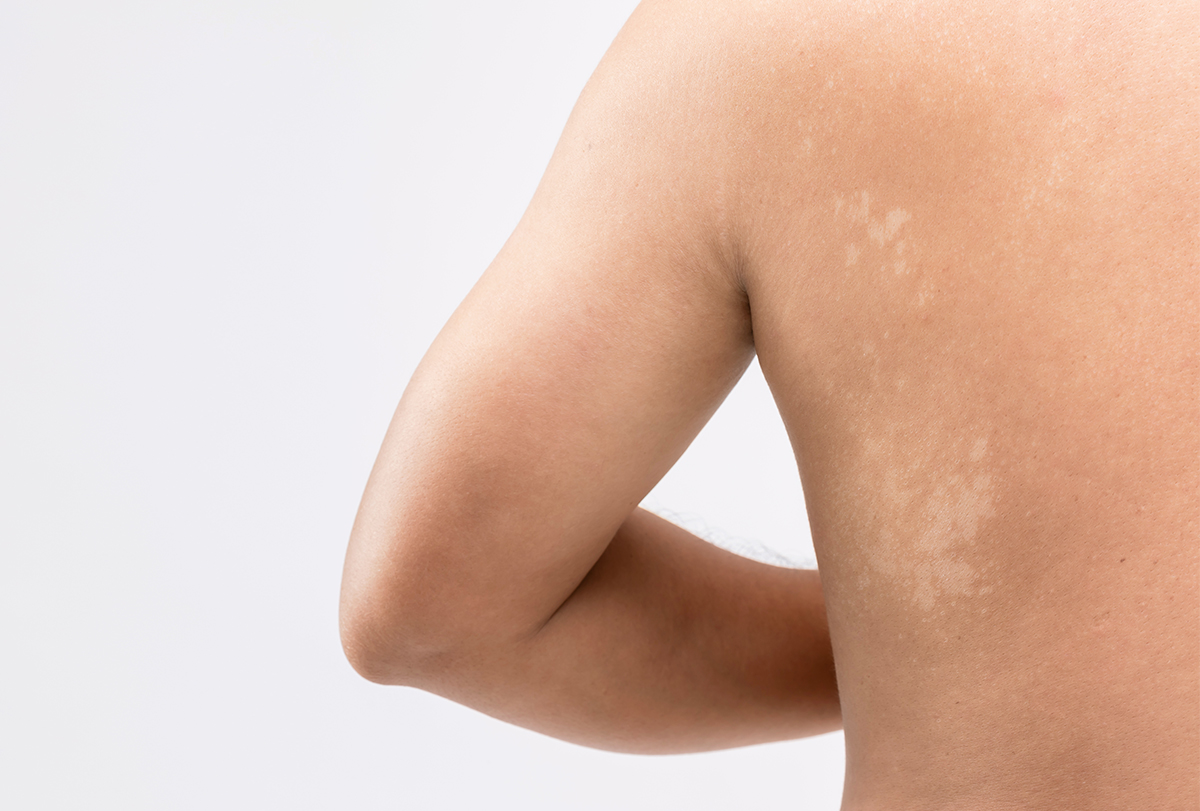 www.emedihealth.comtinea versicolor darker symptom
Tinea Versicolor - Pictures, Causes, Symptoms And Risks
 www.healthdiseases.orgtinea versicolor symptoms
Tinea Versicolor - Symptoms And Causes - Mayo Clinic
 www.mayoclinic.orgversicolor tinea mayo clinic
Tinea Versicolor Stages Archives - Health Blog
 fnfdoc.comtinea versicolor
Tinea versicolor. Tinea versicolor. Tinea versicolor: causes, symptoms, diagnosis, & treatment